
Verstappen's Emotional Zandvoort Send-Off: Helmet, Promises and a Changing Inner Circle
Explore the significance of Verstappen's final home race, his special helmet tribute, and the reshaping of his trusted team after Lambiase's exit.
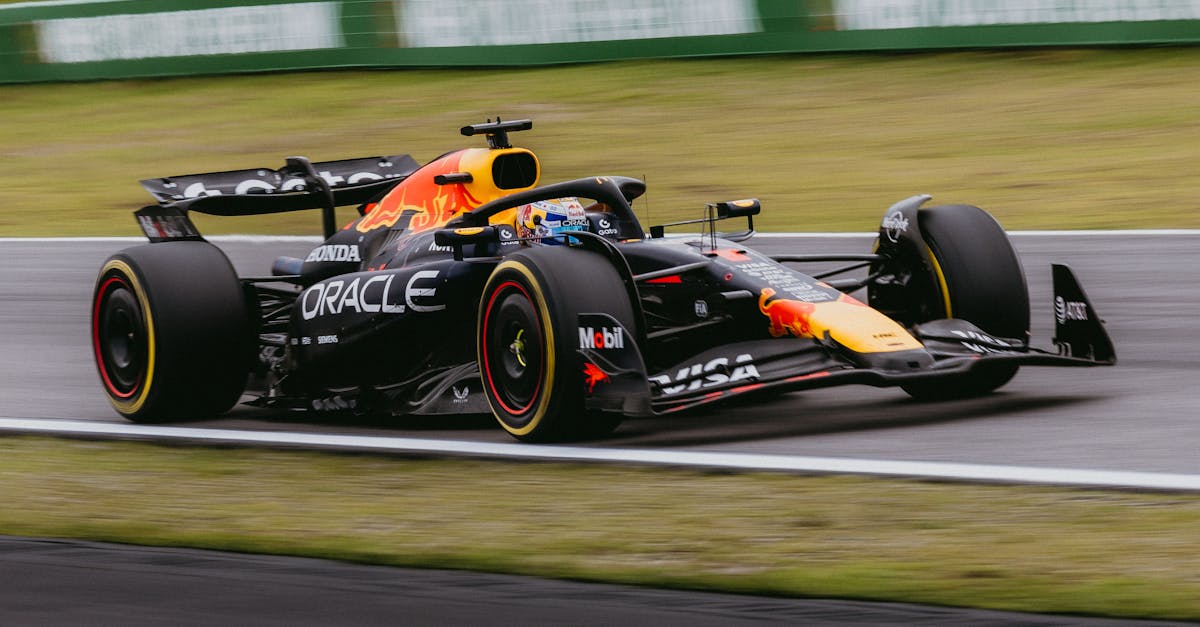
Zandvoort this weekend is not simply another stop on the calendar. It arrives freighted with symbolism: a special helmet design unveiled in tribute to what is being billed as Max Verstappen’s last home Grand Prix, a personal promise made to the Dutch public, and a paddock adjusting to the reality that the driver’s trusted race engineer, Gianpiero Lambiase, is on his way out of Red Bull. Individually, each story would be worth a line or two. Together, they tell a much bigger tale about a driver — and a team — in transition.
The Weekend That’s Being Framed as a Farewell
Verstappen has confirmed this will be his final Dutch Grand Prix at Zandvoort in its current guise, and the emotional weight of that has clearly not been lost on him. The bespoke helmet design he revealed ahead of the weekend is a marker of occasion rather than routine — drivers reserve these one-off liveries for moments they consider genuinely significant, and Verstappen does not deal in sentimentality lightly. Alongside it, he has made a public promise regarding this race, a signal that he intends to treat it as more than a box to tick on the way to the championship fight. Exactly how that promise translates into Sunday’s result remains to be seen, but the intent behind it — to give the crowd something to remember — is unmistakable.
Why Zandvoort Matters Beyond the Numbers
To understand why this occasion carries such weight, it helps to remember what Zandvoort’s return to the calendar actually represented. The Dutch Grand Prix came back in 2021 largely because of Verstappen himself — a circuit resurrected on the back of a fanbase built entirely around one driver’s success. The sea of orange that floods the dunes each year is not generic motorsport tourism; it is a direct consequence of Verstappen’s rise from promising junior to double, triple, quadruple world champion. A “final” home race in that context is not just the loss of a fixture from the calendar — it is potentially the closing of a chapter that Verstappen personally opened. That is why a helmet design and a quiet promise to fans carry more emotional charge here than they would at almost any other venue on the calendar.
The Lambiase Question: Rebuilding Trust Inside the Garage
Layered on top of the Zandvoort farewell is a far less nostalgic, far more consequential story: the impending departure of Gianpiero Lambiase, Verstappen’s race engineer and the voice on the radio throughout the most dominant period of his career. Race engineer relationships in Formula 1 are built on an unusually intimate form of trust — split-second decisions on strategy, tyre management and risk are made through a shorthand that takes years to develop. Lambiase was there for Verstappen’s title-winning seasons, and the calm, direct communication style between the two became almost as recognisable as the car itself. Losing that voice is not a cosmetic change; it strips away one of the few genuinely stable relationships in a Red Bull garage that has otherwise seen considerable upheaval in recent seasons.
Red Bull’s task now is to identify who steps into that void, and reports suggest the team is actively reshaping the wider group of people Verstappen relies on trackside — effectively assembling a new inner circle around him. Whoever takes on the race engineer role inherits not just a headset but the expectation of matching a partnership that helped deliver multiple championships. That is a considerable weight to carry, and the settling-in period, however short Red Bull hopes it to be, is rarely seamless. Verstappen has shown before that he can adapt to change without visible disruption to his performance, but engineer continuity has historically been one of the quiet advantages Red Bull held over rivals still rotating personnel.
The Wider Context: A Team and Driver in Transition
None of this happens in isolation. Red Bull has already absorbed significant technical and personnel change in recent seasons, and the departure of a race engineer as embedded as Lambiase adds another layer to a team that is clearly being rebuilt around its remaining constants — chief among them Verstappen. There is a broader pattern here worth noting: as Red Bull’s competitive picture has shifted and the driver market has become more fluid, the certainties that once defined the team — the technical leadership, the strategic voice on the radio, even the calendar fixtures tied to its lead driver — are all being reconsidered at once. Zandvoort’s uncertain long-term future and Lambiase’s exit are separate stories, but they land in the same news cycle for a reason: both point to a Red Bull operation that looks meaningfully different heading into the next phase of Verstappen’s career than the one that won those consecutive titles.
GP Headlines’ Take
Strip away the sentiment and what’s left is a genuinely significant inflection point. Verstappen’s helmet and his promise to the Dutch crowd are the visible, emotional layer of this story — entirely earned, given what Zandvoort’s revival owes to him. But the more consequential development is happening away from the cameras, in the reshaping of the working relationships that have underpinned his dominance. Race results this weekend will matter, as they always do, but the real test of this “Red Bull 2.0” era will not be measured at Zandvoort. It will be measured over the following season, once the new voices in Verstappen’s ear have had time to prove they can replicate the trust Lambiase spent a decade building.