
Haas' 2027 Driver Puzzle: Why Ocon's Form Is Impossible to Judge
Komatsu's admission that car inconsistency clouds Ocon evaluation puts Haas' future lineup planning in the spotlight.
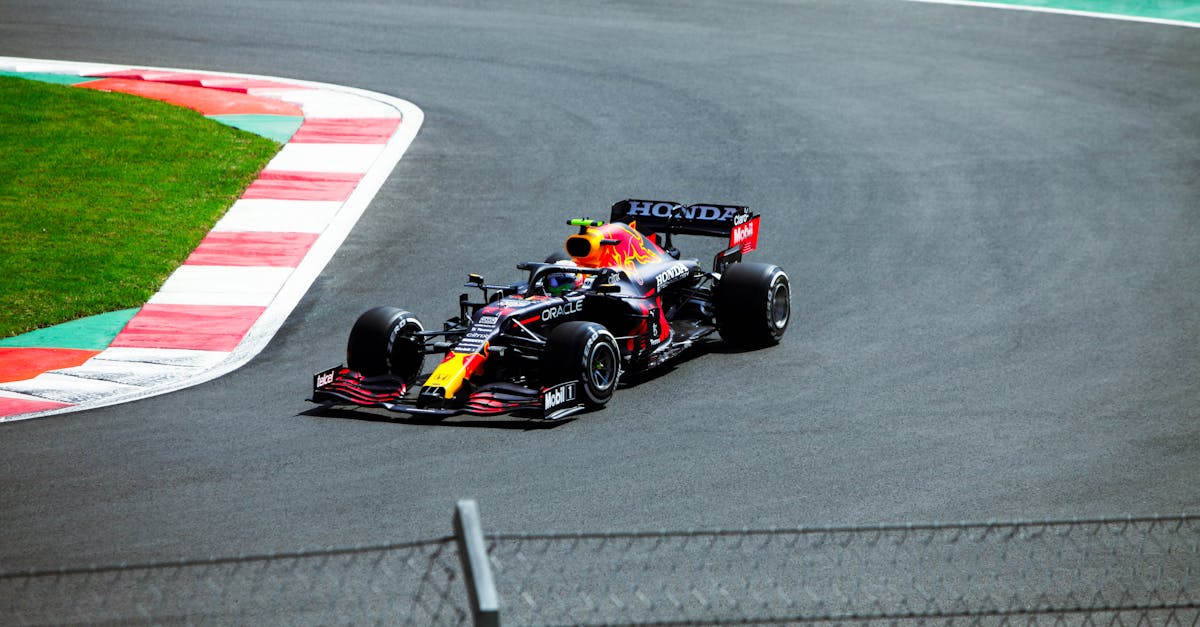
Ayao Komatsu’s honesty on Sunday was refreshing, but it also exposed a genuine headache brewing at Haas. The team principal admitted that the car’s inconsistency from race to race — sometimes session to session — makes it genuinely difficult to draw firm conclusions about Esteban Ocon’s form, even as Haas quietly begins the process of shaping its driver lineup for 2027. It’s the kind of admission that sounds like a minor aside in a post-session debrief but actually cuts to one of the thorniest problems in Formula 1 team management: how do you evaluate a driver fairly when the tool he’s driving won’t hold still long enough to be measured?
What’s Happening
Komatsu’s comments came after a weekend in which Ocon was narrowly outqualified by his teammate and struggled to convert whatever pace the car did have into a strong result. On the surface, that’s a bad weekend for the Frenchman. But Komatsu’s point was more nuanced than a simple defence of his driver: he’s essentially saying that the car itself has been too unpredictable, lap to lap and race to race, for anyone — driver, engineer or team boss — to say with confidence whether a given result reflects driver performance, car performance, or some tangled combination of the two that shifts depending on track temperature, tyre window or aero sensitivity.
This isn’t a new complaint in F1 — teams down the grid have long used “the car is inconsistent” as both an honest diagnosis and, occasionally, a convenient shield. What makes this instance notable is the timing. Haas is not simply trying to survive a difficult season; it’s simultaneously trying to plan two years ahead, assessing whether Ocon is part of its long-term future once the sport’s next regulatory cycle beds in around 2027. Judging a driver against a moving target of car performance is hard enough in isolation. Doing it while also trying to make a multi-year strategic call is a different order of difficulty entirely.
Why It Matters
Driver evaluation in Formula 1 is rarely as clean as lap time comparisons suggest. Teams lean heavily on data — qualifying deltas, race pace in comparable fuel and tyre windows, sector-by-sector telemetry — but all of that analysis assumes a reasonably stable baseline. When the car itself oscillates between competitive and anonymous from one round to the next, that baseline disappears, and with it much of the statistical confidence a team principal needs to make a lineup decision that will shape the next several years.
For Haas specifically, this matters because the team has spent recent seasons rebuilding its internal processes under Komatsu, moving away from the reactive, trophy-chasing approach of earlier years towards a more measured, developmental philosophy. That approach only works if the evaluation data underpinning it is trustworthy. If Komatsu can’t confidently separate car inconsistency from driver inconsistency, any decision on Ocon’s future — whether to extend him, promote a junior alongside him, or look elsewhere entirely — risks being made on incomplete information. Get it wrong in either direction, and Haas either sheds a driver who was quietly performing well in a difficult car, or persists with one whose underlying pace was flattered by circumstance.
The Wider Context
Haas has never been a team blessed with a stable technical platform. Its position as a customer of Ferrari power units and, historically, a lean operation without the deep in-house simulation and correlation resources of the frontrunners has often meant it arrives at circuits less certain of where the car will land on a given weekend than its rivals. That structural reality makes performance windows genuinely harder to predict, and it’s precisely this kind of variance that erodes a team principal’s confidence in driver comparisons.
Ocon’s own career adds another layer. Since leaving Alpine, he’s been rebuilding his reputation at Haas as a mature, technically fluent driver capable of extracting results from a midfield car — exactly the profile a team wants when planning for a regulation reset that will scramble the competitive order again. But reputation-building requires legible data, and legible data requires a car that behaves consistently enough to isolate the human contribution. Ocon isn’t the first driver to find his stock difficult to read against a shifting technical backdrop, and he won’t be the last; it’s a recurring theme for anyone stuck in a midfield team during a period of technical flux.
GP Headlines’ Take
Komatsu deserves credit for resisting the temptation to either scapegoat his driver or offer empty reassurance. Acknowledging that the car’s inconsistency clouds the picture is the more honest — and harder — position to take publicly, especially with lineup decisions looming. But honesty about the problem doesn’t make it disappear. Haas now faces the uncomfortable task of making a consequential 2027 call on imperfect evidence, and rushing that judgement before the car itself stabilises would be a mistake. The wiser course is patience: give the technical team time to iron out the inconsistency, let a clearer performance picture emerge over a longer sample, and only then draw conclusions about where Ocon truly sits. Anything less risks a decision built on noise rather than signal — precisely the outcome Komatsu’s candour was trying to guard against.