
Antonelli's Historic Chase: Can Mercedes' Prodigy End Italy's 73-Year Title Drought
Examining Kimi Antonelli's record-breaking pace and his shot at ending Italy's decades-long wait for a champion.
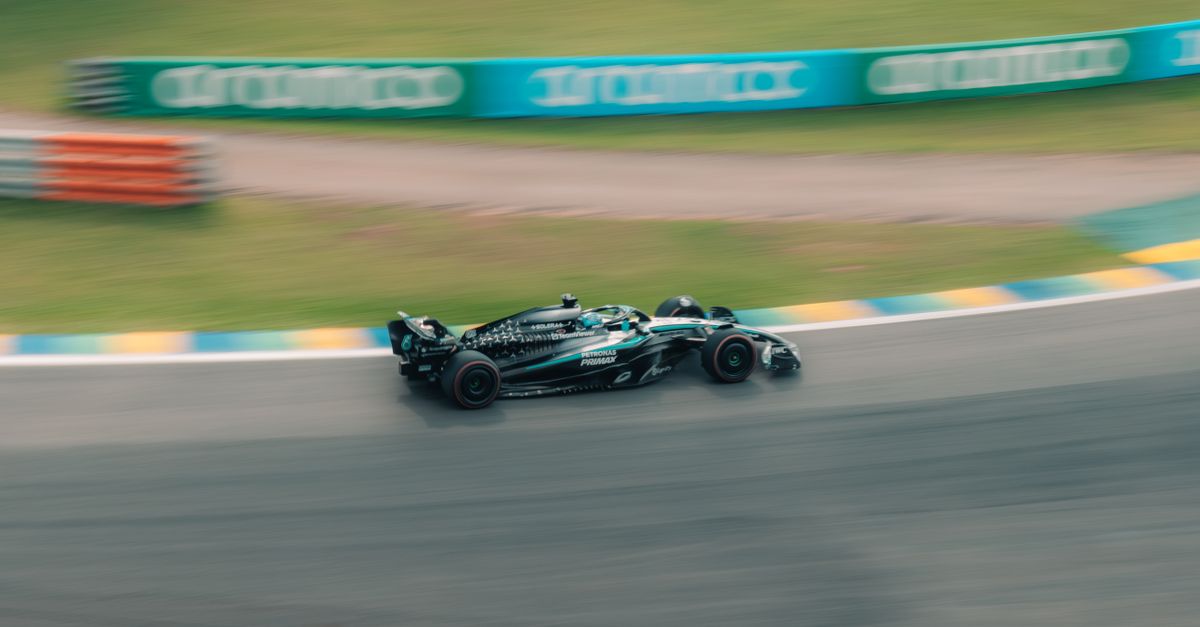
Kimi Antonelli’s name has been written into F1’s record books before he has even finished his first full season on the grid, and the conversation around him has now shifted from “remarkable rookie” to something far weightier: a genuine, serious shot at ending the longest title drought suffered by any of Formula 1’s major motorsport nations. Italy has not produced a world champion since 1953. That the man now being spoken of as the one to break it drives not for Ferrari, but for Mercedes, only adds another layer to a story that already has the shape of something historic.
The record chase and what it represents
Antonelli’s route into Formula 1 was always going to be scrutinised for its speed rather than its steadiness — a Mercedes junior fast-tracked through the junior categories and handed a seat at one of the sport’s grandee teams while still a teenager. What’s striking is that the record-breaking hasn’t been a one-off headline moment tied to a single race weekend; it’s been a running theme, with Antonelli reportedly now halfway to dismantling one of the more stubborn “youngest driver” marks in the sport’s history. Records of this kind matter less for the number itself than for what they signal: sustained performance at a level well beyond what his age would suggest is reasonable to expect. Youngest polesitter, youngest race winner, youngest champion — these are not marks set by drivers having a good afternoon. They’re set by drivers who are fundamentally quicker than the calendar suggests they should be.
That distinction is important, because it separates Antonelli’s situation from the usual “hyped rookie” narrative that F1 produces every few years. Plenty of young drivers arrive with promise and fade into respectable midfield careers. Very few arrive threatening to rewrite the record books within months of their debut season expanding into genuine title contention.
Why an Italian title through Mercedes matters more than it might first appear
Alberto Ascari’s back-to-back titles in 1952 and 1953 remain the last time an Italian driver stood at the top of the championship. In the seventy-plus years since, Italy has never gone short of drivers — Riccardo Patrese, Michele Alboreto, Jarno Trulli, Giancarlo Fisichella all had periods of genuine competitiveness — but none converted that talent into a title, and Alboreto’s near-miss in 1985 remains the closest the country has come. That’s a remarkable gap for a nation so central to Formula 1’s identity, home to Ferrari, Monza, and a fanbase whose passion for the sport is arguably unmatched anywhere on the calendar.
What makes Antonelli’s position so compelling is precisely that he isn’t doing this at Ferrari. The Scuderia has spent decades searching for an Italian champion to end the wait on home soil, and the symbolism of that has always assumed a red car. Instead, it’s Mercedes — the team that ended its own long wait for a title-winning bloodline after Lewis Hamilton’s departure and George Russell’s ascension to team leadership — that finds itself custodian of Italy’s best chance in a generation. There’s a pleasing symmetry to it: a team rebuilding its own identity after the Hamilton era, doing so by fast-tracking a driver who could simultaneously deliver one of the most significant national storylines in the sport’s modern history.
The wider context: F1’s youth movement and Mercedes’ pedigree for identifying talent
None of this happens in isolation. Formula 1 has been trending younger for years — grid places once considered the preserve of drivers in their late twenties are now routinely handed to twenty-somethings, and in Antonelli’s case, someone barely out of his teens. Mercedes’ junior programme, the same pipeline that helped shape Russell’s rise, has built a reputation for identifying and developing talent with genuine care rather than simply chasing the next marketable prodigy. Toto Wolff’s team has generally been conservative about when to promote its young drivers into race seats, which makes the speed of Antonelli’s adaptation all the more notable — this isn’t a driver who was rushed in and is merely surviving; by most accounts, he’s already operating at a level that suggests the promotion was, if anything, cautious rather than premature.
GP Headlines’ take
There’s a natural temptation, whenever a young driver starts breaking records, to reach immediately for the word “destiny.” We’d urge some caution here — records for youth are not the same as championships, and the gap between “outstanding rookie season” and “world champion” has swallowed plenty of promising careers before. Formula 1 titles are won over the grind of a full campaign, against experienced operators who know how to exploit pressure precisely when a young driver is feeling it most.
That said, the fact this conversation is even being had — seriously, by respected voices in the sport, rather than as speculative hype — tells you something real is happening at Mercedes. Antonelli doesn’t need to end Italy’s drought this year to justify the excitement. But if the record-breaking pace holds and the racecraft matures at the rate it has so far, Italy’s seventy-three-year wait may finally have found its most credible answer yet — and, fittingly, it will have come wearing silver rather than red.